

The system adopts real-time ultrasound imaging navigation, human-machine
interface techniques, and closed-loop algorithms to optimize the RFA
process. It reduces the size of wound on patients, operation duration,
and recovery time. iRFA’s precision tumor targeting and ablation
completion are comparable to clinical requirements.
Award Sub-Category: Health, Medical & Biotech
Continuous Tracking Surgical Assistance System (CTSAS)
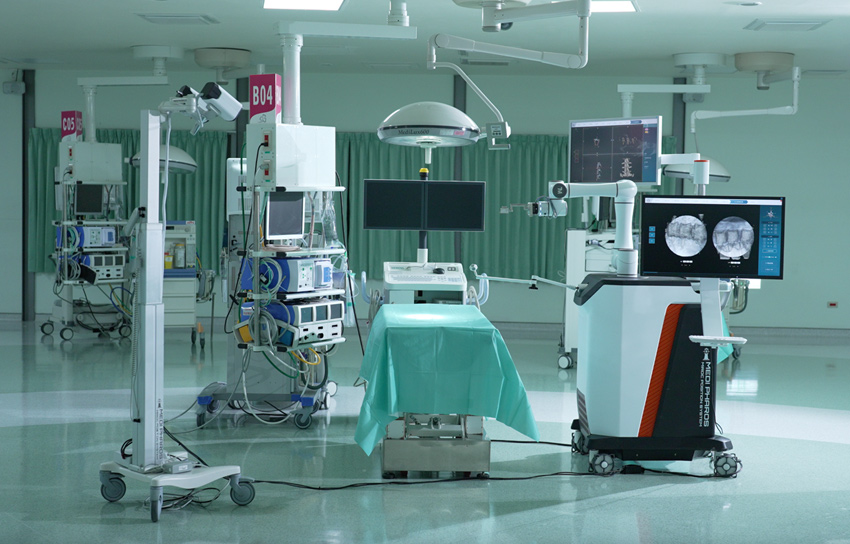
CTSAS is the first surgical navigation system using the dodecahedral
tracker which provides maximum viewing angles with a greatly reduced
size. Combined with real-time visualization and navigation corrections
of patient’s anatomy, the system can track each vertebra with improved
accuracy, especially in the procedure of multilevel spinal surgeries.
BioDrone® platform

BioDrone™ is a next-generation drug delivery platform that relies on
cell-derived vesicles obtained from MDimune’s proprietary extrusion
technology that converts virtually any human cells into nanovesicles.
BioDrone™ is safe and highly effective in the targeted delivery of
various drugs, thereby reducing side effects and maximizing efficacy.
Intelligent Diagnostics: Pharmacogenomic Testing

Our tests identify genetic factors that contribute to the efficacy,
safety, and tolerability of commonly prescribed medicines. We help
clinicians optimize drug treatment by determining the patient’s expected
outcome, in turn reducing failed drug trials and adverse drug reactions,
thereby decreasing time to achieving optimal therapeutic response.
Galleri®

“The Galleri test detects a shared cancer signal across 50+ types of
cancer with a single blood draw.This groundbreaking technology finds
more cancers at earlier stages—even before symptoms appear and when
treatment is more likely to be successful. This could help prevent ~39%
of cancer deaths that would otherwise occur in the next 5 years.”
Recursion OS

The Recursion OS harnesses multiple breakthrough technologies, including
machine learning, to create, organize and study vast amounts of
biological data to build Maps of Biology that can predict trillions of
relationships across biology and chemistry to discover novel insights.
Synthace
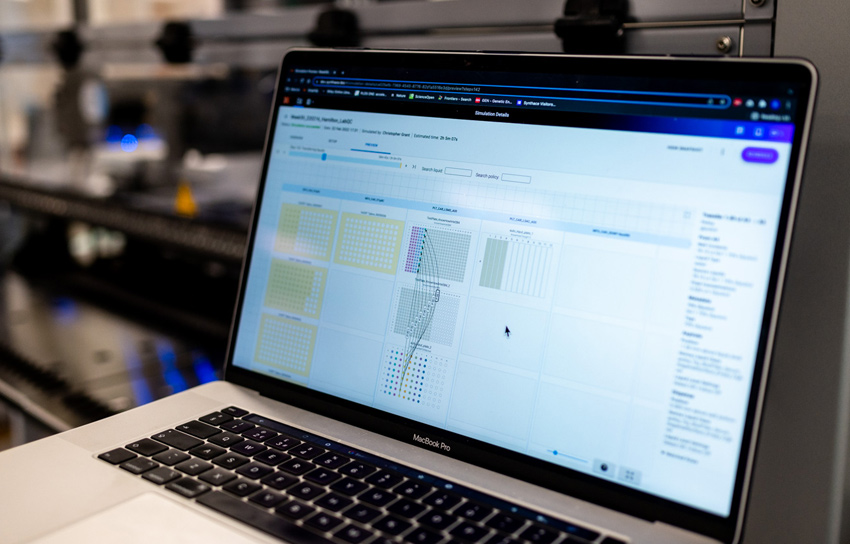
Synthace’s cloud-based digital experiment platform allows scientists to
design and plan experiments, computationally simulate them, schedule
experiments on their automation equipment, and aggregate experimental
data in one place. Allowing reproducibility, and accelerated innovation,
gathering critical data – all without the need to write code.
Mammography Quality Evaluation (MQE)

Mammography Quality Evaluation (MQE) uses 11 criteria of mammography
quality that enhance radiographers’ skills and mammography process.
Radiographers can adjust operations referring to MQE’s quality warnings
and visual information. MQE helps hospitals to acquire quality
mammograms and minimizes the chance of patient recall for retaking
mammograms.
STIMVIEW™ XT
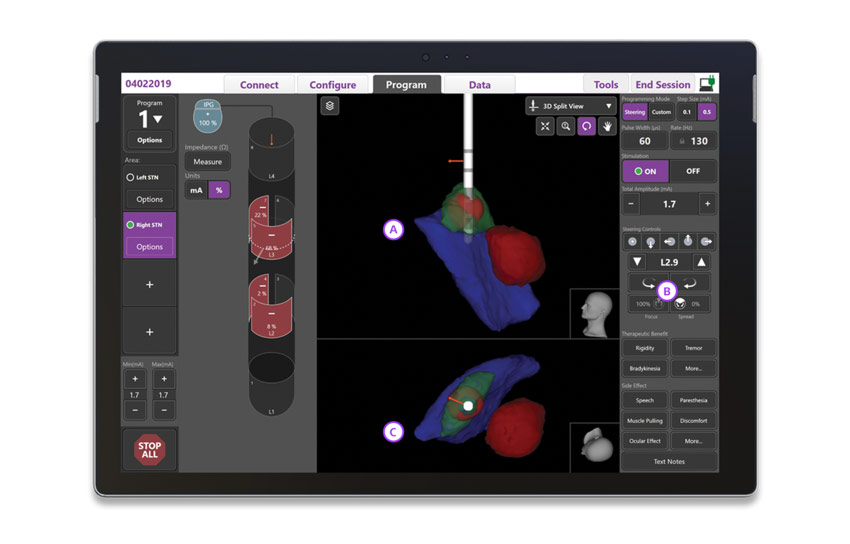
Deep Brain Stimulation (DBS) is designed to bring symptom relief to
those suffering from movement disorders (e.g. Parkinson’s) by delivering
targeted electrical stimulation to an area in the brain the size of an
apple seed. Image software STIMVIEW XT uses a 3D patient-specific
anatomy to enable clinicians to see, shape, and steer DBS therapy.
Viz Aneurysm Software

Viz Aneurysm, the first fully-automated AI algorithm to receive
FDA-clearance, detects suspected cerebral aneurysms, which can
potentially rupture if not actively monitored. Mobile, HIPAA-compliant
communication tools ensure that the aneurysm workflow across the entire
health system is standardized, so more patients get neurovascular
follow-up.
 Discover
 Videos
 Podcasts

 Lewis Latimer Fellowship
 Sponsorships
 The Steering Committee
 Ambassadors
 Contact Us

 Edison Achievement Award
 Past Edison Award Winners Gallery
